Blog
Head of HR Job Description:
How to Attract the Right HR Leader for Your Business
When a Head of HR job description fails, it’s usually because it describes an idealized HR leader instead of the actual business environment the person needs to step into. This often attracts candidates who look strong on paper but are ultimately misaligned with what the business truly needs. And because experienced HR leaders evaluate companies just as carefully as companies evaluate them, the wrong Head of HR job description can discourage highly-qualified candidates from applying.
That’s why writing an effective HR executive job description is not just about listing tasks. It’s about clearly communicating the business context, leadership expectations, and organizational realities that help the right candidates self-select into the process. This guide breaks down how to write a Head of HR job description that attracts the right fit for your company’s stage, structure, and goals — not just the most impressive resume.
Why Most Head of HR Job Descriptions Attract the Wrong Candidates
When creating a Head of HR job description, many companies are unintentionally overly broad or even contradictory. In many cases, the role is simultaneously described as highly strategic and deeply operational, transformational yet process-oriented, executive-level while still expected to remain highly hands-on. While some overlap naturally exists in HR leadership roles, unclear or conflicting expectations often make it harder to attract and evaluate the right candidates.
While some degree of range is normal in senior HR leadership roles, vague or unrealistic expectations create confusion for candidates and hiring teams alike. Common problems in a generic job description for a Head of HR include:
- unclear reporting structures
- no explanation of company stage
- unrealistic scope expectations
- lack of business context
- undefined success metrics
- generic culture language
- copy-and-paste responsibilities from enterprise organizations
For example, a scaling founder-led company hiring its first HR leader likely needs someone highly pragmatic, adaptable, and comfortable building infrastructure from scratch. But many companies unintentionally write a VP of HR job description or chief human resources officer job description that sounds like an enterprise executive role focused primarily on optimization and executive-level strategy.
The result is often a mismatch between what the company actually needs, what the candidate expects, and what success requires. And in many cases, the issue starts before interviews even begin.
→ Related resource: Head of HR: When & How To Hire Your First HR Leader
What Strong HR Leaders Actually Look For in a Job Description
Experienced HR leaders know that titles alone rarely tell the full story. That’s why a Head of HR job description is often used as a signal to evaluate the broader organization itself — including its organizational maturity, leadership alignment, operational complexity, executive expectations, decision-making authority, and overall business trajectory.
In many ways, the strongest HR leaders are assessing the company’s self-awareness as much as the role itself. A thoughtful and well-structured Head of HR job description can communicate clarity, alignment, and strategic intent, while a vague or contradictory one can signal deeper organizational challenges long before the interview process begins.
Business Stage & Growth Trajectory
A company’s stage dramatically changes what successful HR leadership actually looks like. A scaling company may need an HR leader focused on building infrastructure and creating operational consistency, while a mature enterprise may prioritize organizational design, executive alignment, and succession planning expertise. A private equity-backed business may require someone who can operate with urgency, accountability, and transformation-focused leadership. The best HR executive job descriptions clearly communicate both where the business is today and where it is headed so candidates can evaluate whether their experience and leadership style align with the company’s needs.
Current HR Maturity
Leadership Alignment & Reporting Structure
One of the strongest indicators of long-term success for any HR leader is executive partnership and leadership alignment. Experienced candidates often evaluate who the role reports to, how involved leadership is in people strategy, whether HR has meaningful influence within the organization, and whether the role is viewed strategically or primarily as an administrative function. A strong Head of HR job description helps clarify where HR sits within the broader leadership structure and how the organization views the function overall.
Scope & Decision-Making Authority
How to Write a Head of HR Job Description That Attracts the Right Fit
The strongest Head of HR job descriptions align the role definition with the company’s actual business situation. That means the language, expectations, and priorities inside the job description should shift depending on what the organization truly needs.
If You’re Hiring Your First Head of HR
When hiring your First Head of HR, the role often requires someone who can build structure while remaining highly hands-on. That means your Head of HR job description should signal:
- builder mentality
- comfort with ambiguity
- operational pragmatism
- willingness to execute directly
- ability to prioritize foundational infrastructure
This is usually not the time for highly layered enterprise leadership language. Instead, strong candidates should understand they will likely:
- build systems from scratch
- support managers directly
- establish HR processes
- create organizational consistency
- partner closely with founders or executives
This is also where companies should align internally on their broader HR department structure and future growth plans.
If Your Company Is Scaling Quickly
Growth-stage businesses need HR leaders who can create consistency without slowing momentum. An effective HR executive job description for scaling companies should emphasize:
- systems thinking
- organizational scalability
- leadership development
- operational prioritization
- adaptability
Strong scaling-oriented HR leaders are often drawn to environments where:
- the business is evolving rapidly
- leadership is open to change
- infrastructure is still being developed
- priorities shift quickly
If You’re Private Equity-Backed
Private equity-backed companies often require a very different type of HR leadership. The strongest HR leaders in these environments are typically able to operate inside fast-moving, high-accountability businesses where performance expectations, organizational change, and business pressure are significantly elevated.
Successful HR leaders in private equity environments are often expected to help organizations scale quickly, improve performance, navigate change, and align talent strategy directly to business outcomes and value creation. This requires leaders who are comfortable operating with urgency, driving accountability, balancing strategic and operational demands, and leading through transformation.
Strong HR candidates evaluating PE-backed opportunities are usually looking for signals that the business has:
- clear goals and measurable expectations
- aligned and decisive leadership
- comfort operating at a fast pace
- willingness to make organizational changes when needed
- a realistic understanding of the transformation ahead
If Your Organization Is Undergoing Transformation
Transformation environments require HR leaders who can navigate uncertainty, influence executives, and create organizational alignment during periods of change. Whether the company is experiencing rapid growth, restructuring, leadership transitions, M&A activity, or broader operational transformation, HR leadership often becomes critical to maintaining clarity, communication, and execution across the business.
In these situations, a strong Head of HR job description should clearly communicate the pace of change, leadership expectations, and the level of influence the role is expected to have across the organization. Strong transformation-oriented HR leaders often bring experience in:
- change leadership
- executive influence
- organizational redesign
- leadership alignment
- communication during uncertainty
What a Head of HR Job Description Can (and Cannot) Solve
A strong Head of HR job description can significantly improve hiring alignment by helping organizations attract more relevant candidates, clarify expectations, reduce mismatched applications, define organizational priorities, and improve internal role calibration before the search even begins. But even the strongest HR leadership hiring process cannot rely on the job description alone.
A job description cannot fully evaluate qualities like executive influence, leadership judgment, adaptability, communication style, political navigation, emotional intelligence, or organizational credibility. These are often the factors that ultimately determine whether an HR leader succeeds within a specific business environment.
That’s why the most effective HR leadership hiring processes combine clear role definition with contextual evaluation, thoughtful interview frameworks, and strong internal alignment around business needs. It’s also why companies should ensure their interview process reflects the realities communicated within the role itself. For example, a company seeking a hands-on builder should evaluate candidates differently than a mature enterprise searching for a highly strategic organizational leader.
→ Related resource: Head of HR Interview Questions Every CEO Should Ask
What to Include in a Strong Head of HR Job Description
The best Head of HR job descriptions go beyond listing responsibilities and qualifications alone. They help candidates understand what the company is solving for, what success actually looks like in the role, what organizational challenges currently exist, how the business operates, and what type of leadership environment they would be stepping into. Strong candidates are often evaluating the company just as carefully as the company is evaluating them, and the job description plays a major role in shaping that perception.
A strong job description for Head of HR roles should typically include a clear overview of the company’s growth stage and business trajectory, the current state of the HR function, key organizational priorities, leadership expectations, reporting structure, decision-making scope, and the balance between strategic leadership and operational execution required for success in the role.
Company Context
- Company stage and growth trajectory
- Industry and operational complexity
- Current organizational priorities
- Key business challenges
Role Expectations
- Core Head of HR responsibilities
- Strategic versus operational expectations
- Team structure and reporting relationships
- Leadership partnership expectations
Success Metrics
- What outcomes matter most?
- What should improve over the next 12–24 months?
- What organizational priorities does the role support?
Leadership Environment
- How decisions are made
- Executive team dynamics
- Level of HR influence
- Organizational culture realities
Candidate Profile
- Relevant business stage experience
- Leadership capabilities
- Functional expertise
- Adaptability and operational fit
Common Mistakes Companies Make When Writing HR Executive Job Descriptions
Even strong companies often make avoidable mistakes when creating a senior HR executive job description. One of the most common is overemphasizing credentials while underestimating the importance of organizational fit. Experience at well-known companies or impressive titles does not automatically mean a candidate will succeed within your specific environment, leadership structure, or growth stage.
Another common mistake is defining the role too broadly. Many organizations attempt to hire someone who is simultaneously strategic, transformational, operational, highly hands-on, enterprise-level, and culture-focused all within a single role. While some overlap naturally exists in senior HR leadership positions, overly broad expectations often create confusion internally and attract mismatched candidates externally.
Companies also sometimes make the mistake of hiding organizational challenges in an effort to make the role appear more attractive. In reality, strong HR leaders are rarely intimidated by complexity. What they typically want is honesty around leadership dynamics, scaling pressure, transformation realities, organizational gaps, and the level of change the business is actually navigating.
Another frequent issue occurs when smaller or scaling businesses unintentionally write a chief human resources officer job description when the company actually needs a far more adaptable, builder-oriented HR leader. Enterprise-focused language can unintentionally attract candidates whose experience centers around mature infrastructure, large teams, and highly specialized HR functions rather than hands-on execution and organizational building.
Finally, many companies focus too heavily on responsibilities while overlooking the broader leadership environment surrounding the role. Strong candidates are often evaluating leadership alignment, organizational influence, business trajectory, executive partnership, and operational realities just as carefully as they review the actual responsibilities themselves.
Final thoughts: A strong Head of HR job description does far more than outline responsibilities. At its best, it becomes a positioning document that helps the right HR leaders understand the business environment, leadership expectations, organizational realities, growth trajectory, and what success truly requires within the role. The companies that hire most effectively are usually not the ones with the longest list of qualifications. They are the ones that define the role with the greatest clarity, alignment, and self-awareness. Because ultimately, the goal is not simply to attract qualified candidates. It’s to attract the HR leader best aligned with your company’s stage, structure, and future direction.
All HR search. All the time.
Meet Talent Connections
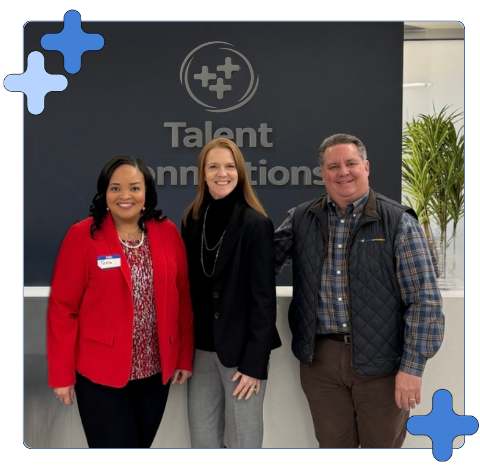
Talent Connections is an HR search firm focused exclusively on HR placements—from Heads of HR to HR business partners. This specialization enables us to deliver what other firms can’t: high-fit, high-quality HR leaders in days, not months.
After 27 years and 2,000+ HR searches, we’re experts at finding HR talent that fits the moment you’re in—not just the role you need to fill. Whether you’re evaluating if it’s time to hire your first Head of HR, defining the role, or ready to start your search, we’re here to help you find HR leaders who are built for your environment.